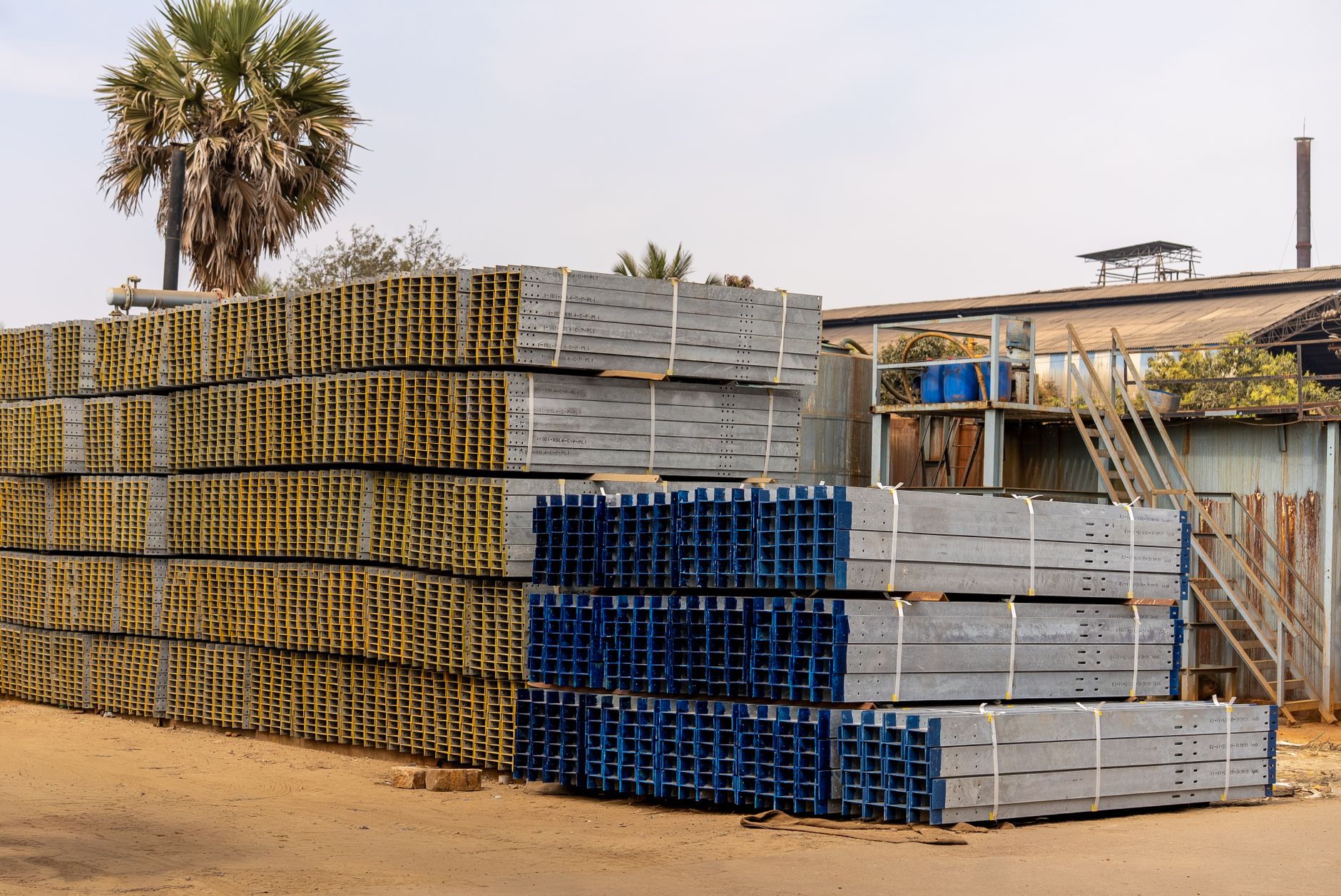
Nobody dreams of owning a gravel lot behind a chain-link fence. But if you've watched cap rates compress on every shiny industrial box in the Valley while yards for trailers, equipment, and materials keep leasing up without a day of vacancy, you start to see the appeal. Industrial outdoor storage — IOS in the acronym-heavy parlance of institutional capital — has quietly become one of the more interesting plays in Arizona commercial real estate.
I've spent a decade watching retail and industrial users compete for the same dirt in Phoenix, Tucson, and the growth corridors in between. What's changed in the last few years is who's bidding on raw, unimproved, or lightly improved industrial land. It used to be developers banking a site for a future building. Now it's increasingly buyers who have no intention of ever building anything — they just want the income the land produces as-is.
Why Arizona Specifically
Arizona checks every box IOS investors care about: population growth that fuels logistics and construction activity, a trucking and freight corridor through the I-10/I-17 spine, and a construction pipeline — homebuilding, data centers, infrastructure — that needs somewhere to stage equipment, pipe, and materials. Add in a landlord-friendly entitlement environment in a lot of the outer-ring municipalities, and you have a market where demand for secured outdoor space has outpaced the supply of parcels zoned and improved to handle it.
The Economics Are Simple, Which Is the Point
Traditional industrial development math is getting harder in this market — construction costs, insurance, and interest rates have squeezed spreads on ground-up projects. IOS skips most of that. You're not fighting over tilt-wall pricing or racing to lease up 200,000 square feet before a loan matures. You're leasing dirt, sometimes with a small office or shop structure, to a trucking company, a contractor, an equipment rental outfit, or a materials supplier who needs secure, fenced space and doesn't care about finishes. Basis per acre is lower than a built industrial park, landlord capex is minimal, and tenants tend to stay because relocating a yard full of equipment and trailers is a hassle nobody wants.
Who's Actually Buying
- 1031 exchange buyers coming out of management-intensive retail or multifamily looking for a lower-touch asset
- Private equity and family offices that have discovered IOS as an institutional food group over the last cycle and are now hunting Sun Belt markets
- Local operators who already own a yard or two and understand the tenant base — contractors, haulers, fleet operators — well enough to underwrite renewals with confidence
- Owner-users who buy a yard to run their own operation and lease out the excess acreage to a complementary business
What ties them together is a preference for income certainty over upside speculation. Nobody's underwriting a moonshot rent bump on a storage yard. They're underwriting a tenant who's been paying on time for years and a piece of land that's only getting scarcer as municipalities push heavy uses further from rooftops.
Where the Friction Shows Up
IOS isn't a free lunch. Zoning is the first hurdle — plenty of parcels that look perfect on a map sit in jurisdictions that have tightened up on outdoor storage uses as they try to shape their industrial corridors toward higher-value employment uses. Paving, drainage, and screening requirements have gotten stricter in several Valley cities, which adds cost that didn't exist a few cycles ago. And financing is thinner than for a conventional industrial building — a lot of lenders still want to see a structure on the site, not just a fence and a gate, which pushes more of these deals toward cash buyers or private debt.
Where I'd Be Looking
The best opportunities right now sit in the transition zones — areas near Buckeye, Coolidge, Casa Grande, and the outer edges of the Southeast Valley where land is still priced like agricultural dirt but infrastructure and freight activity are catching up fast. Existing yards with month-to-month or short-term tenants in place are particularly interesting, because there's a real argument for pushing rents as the supply-demand imbalance tightens. If you're a landlord sitting on an underused industrial parcel, or an investor tired of competing for cap rate on retail pads, this is a corner of the market worth a serious look before the institutional money finishes figuring it out.
