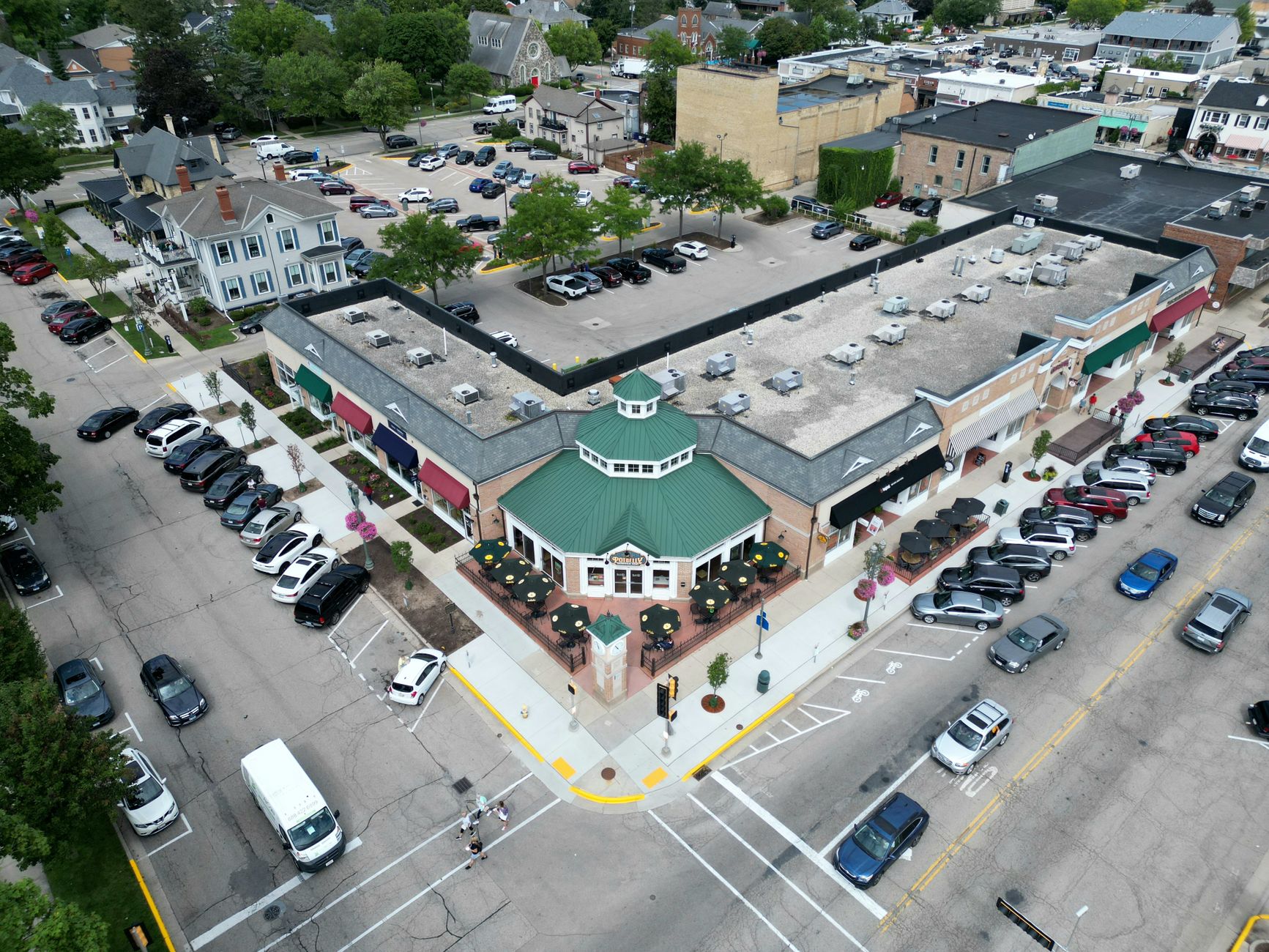
Ask a seasoned retailer why one location prints money while an identical store a mile away struggles, and they won't point to the building. They'll point to the corner — the trade area, the traffic, and the neighbors. Site selection is where a store's success is mostly decided, before a single fixture goes in.
Every concept weighs these factors differently — a coffee drive-thru cares about morning inbound traffic; a fitness club cares about rooftops and parking. But the underlying framework is remarkably consistent. Here's the checklist I walk tenants through.
1. Demographics & the trade area
Start with who actually lives, works and drives within the store's real trade area — not a tidy three-mile ring, but the area customers will realistically travel from given competition and barriers like freeways or canals. Match the concept to the rooftops: household income, age, daytime population and growth trajectory all matter.
2. Traffic, access & visibility
Counts are a starting point, but access is the tiebreaker. A hard corner at a signalized intersection with easy in-and-out beats a higher-count location you can't turn into. Ask the unglamorous questions: Which direction is the going-home commute? Can customers make a left in? Is the signage visible at 45 mph?
3. Co-tenancy & the neighbors
The best centers pre-qualify your customer for you. A grocery or fitness anchor drives repeat trips; the right adjacent tenants share your customer without competing for their dollar. Conversely, a weak or mismatched merchandising mix can drag even a strong operator. Who's next door is part of the real estate.
4. The physical box
Frontage, depth, ceiling height, grease-trap and venting for food, drive-thru stacking, patio potential, ADA parking ratios — the building either fits the prototype or forces expensive compromises. It's cheaper to pass on the wrong box than to engineer around it.
5. The deal & the timeline
Finally, the economics have to pencil against projected unit sales — rent, TI allowance, free rent and the buildout timeline all feed the pro forma. The best corner in town is still the wrong deal if the occupancy cost outruns what the store can produce.
Why representation pays off here
Most of the strongest locations never hit a listing site — they're leased quietly through relationships before a sign goes up. A tenant rep who knows the market brings you those looks early, pressure-tests each against your prototype, and negotiates the terms that protect the store as it ramps. That's the difference between chasing space and choosing it.
